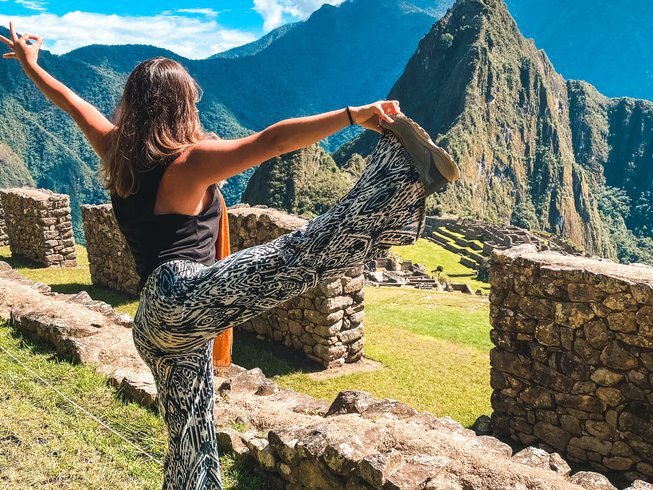
Walk through Pisac for a day and you’ll notice something beyond the market and the ruins: yoga studios tucked between craft shops, meditation flyers pinned to café boards, and conversations about plant medicine as casual as talk about the weather. Over the past couple of decades, Pisac has become one of the most recognized wellness destinations in Peru’s Sacred Valley — and unlike some places that adopt the label loosely, here it’s backed by an actual, active community.
How Pisac Became a Wellness Hub
Pisac’s shift toward wellness tourism didn’t happen overnight. The town sits in a valley long associated with Andean spiritual traditions, at real elevation, surrounded by mountains considered sacred (apus) in Quechua cosmology. Over time, this drew practitioners of ancestral Andean ceremony, followed by an international wave of yoga teachers, meditation guides, and holistic therapists who found in Pisac both the right setting and, eventually, an established community to join.
What makes it different from other wellness spots that pop up around tourist routes is depth: Pisac has enough resident facilitators, enough repeat retreats, and enough local infrastructure (health-focused cafés, longer-term accommodation, a market that supports the diets that often come with these practices) that it functions as an actual ecosystem, not just a stop on a circuit.
What You’ll Actually Find Here
Ceremony facilitators. Pisac has one of the more established communities of ancestral medicine facilitators in the Sacred Valley, offering ceremonies rooted in Andean and Amazonian traditions. This is serious work, and quality and safety vary significantly between facilitators — more on choosing carefully below.
Yoga and meditation. Multiple studios and independent teachers offer daily classes, ranging from drop-in sessions for visitors to longer teacher trainings for those staying weeks or months.
Bodywork and holistic therapies. Massage, energy work, and other therapeutic practices are widely available, often from practitioners who trained internationally before settling in Pisac.
Retreats. From weekend resets to multi-week immersive programs, Pisac hosts a steady calendar of retreats throughout the year, many combining several of the practices above.
Choosing a Facilitator or Retreat Responsibly
Because Pisac’s wellness scene is well established, it’s also grown large enough that not every option is equal. A few things worth considering before booking anything:
- Ask about training and lineage, especially for ceremony work. Legitimate facilitators are generally open about their background and training path.
- Talk to people who’ve been through it. Pisac’s wellness community is small enough that word of mouth travels fast — ask at your guesthouse, in cafés, or in local groups.
- Be honest with yourself about readiness, particularly for anything involving plant medicine. These are not casual tourist activities, and a responsible facilitator will ask you real questions before including you in ceremony, not just take a booking.
- Start smaller if you’re new to this. A yoga class or a single bodywork session is a reasonable way to get a feel for Pisac’s wellness community before committing to something more intensive.
To make this easier, PisacHub keeps a directory of wellness facilitators in Pisac and a running list of upcoming retreats, so you’re not starting from zero.
Beyond the Practices Themselves
Part of what makes Pisac work as a wellness destination is the setting around the practices: the walk up to the ruins in early morning light, the quiet of the surrounding mountains, a slower pace of life than Cusco just up the valley. Many people arrive for a single retreat and end up staying weeks longer than planned. That’s not an accident — it tends to be the town itself people fall for, as much as any single practice or ceremony.
Whether you’re here for one yoga class or a month-long stay built around ceremony work, Pisac offers something increasingly rare: a wellness community with real roots, not one built purely for visitors passing through.